★★★★★on Google
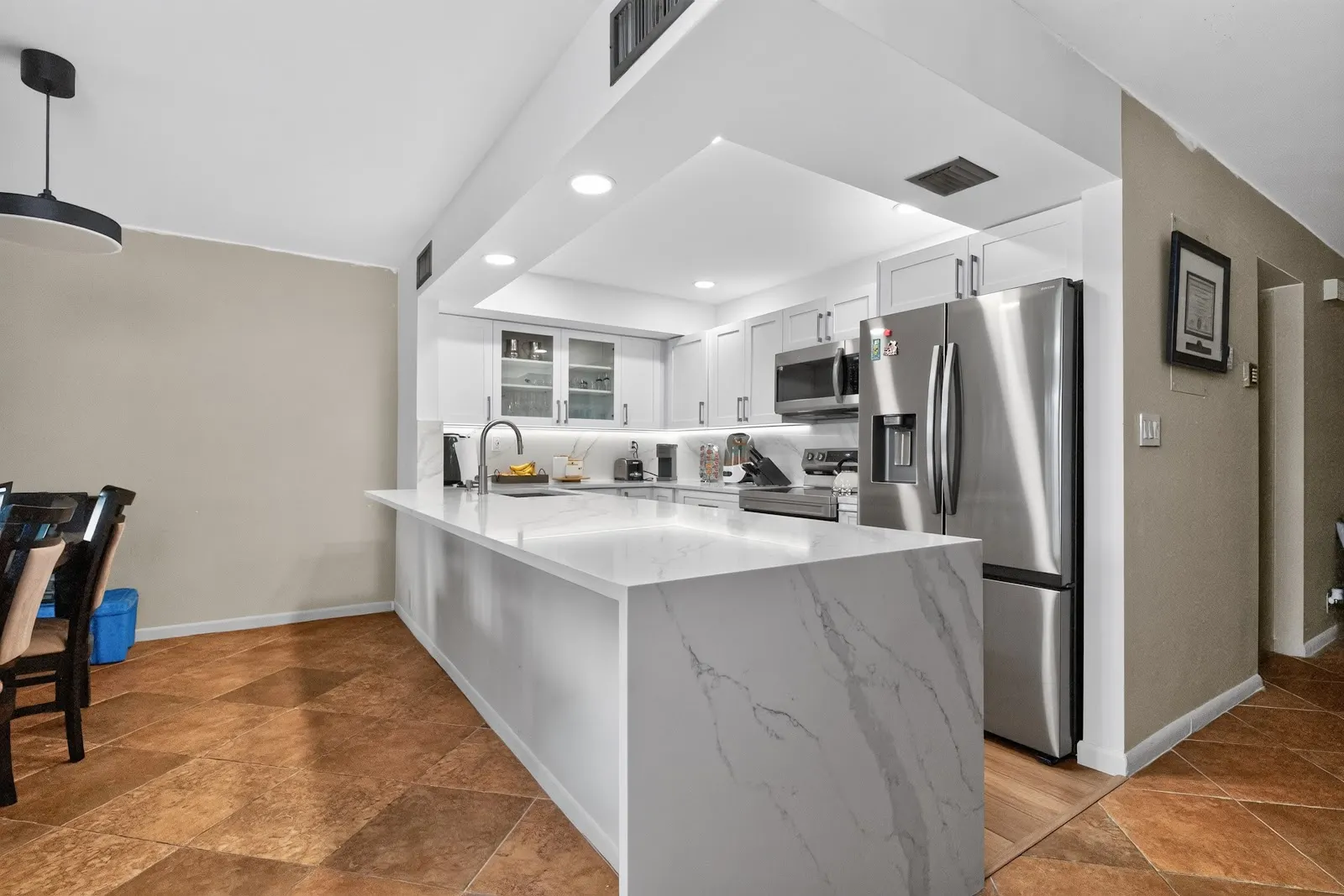
Finished a complete remodel earlier this year with Miami First! The final product was amazing! If I had any question or concern, they were on top of it and Joey has no problem if I reach out with any concern. Thank you!
★★★★★on Google
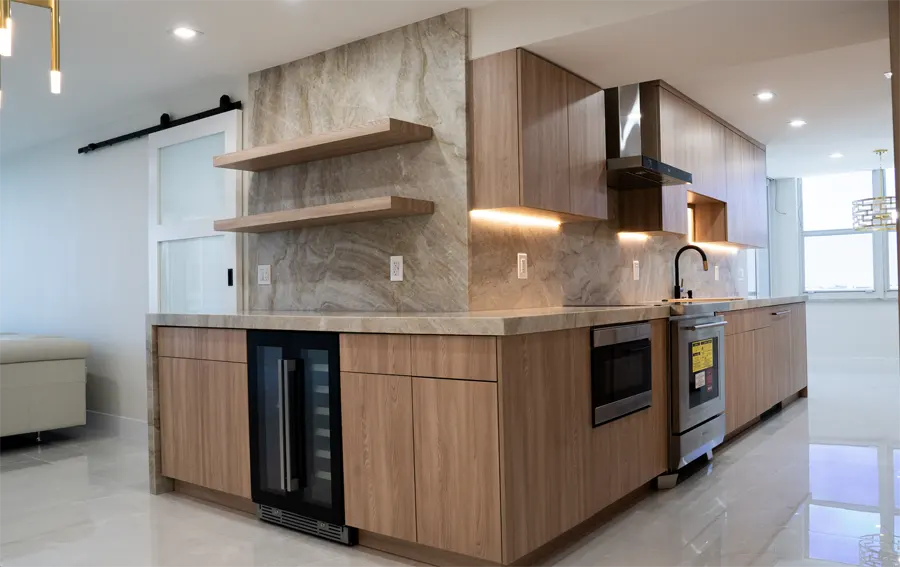
Complete kitchen remodel. From beginning demo to end result was within 5 weeks. The workers showed up on time and took pride in their workmanship. No complaints. I highly recommend.
★★★★★on Google
We had a good experience with Miami First Remodeling, they did a good job in our kitchen and floors, it took few months but we are satisfied and happy with the project they did, a special thanks to Joey for being cordial and nice with us all the time, he always answered our questions and concerns very fast.
★★★★★on Google
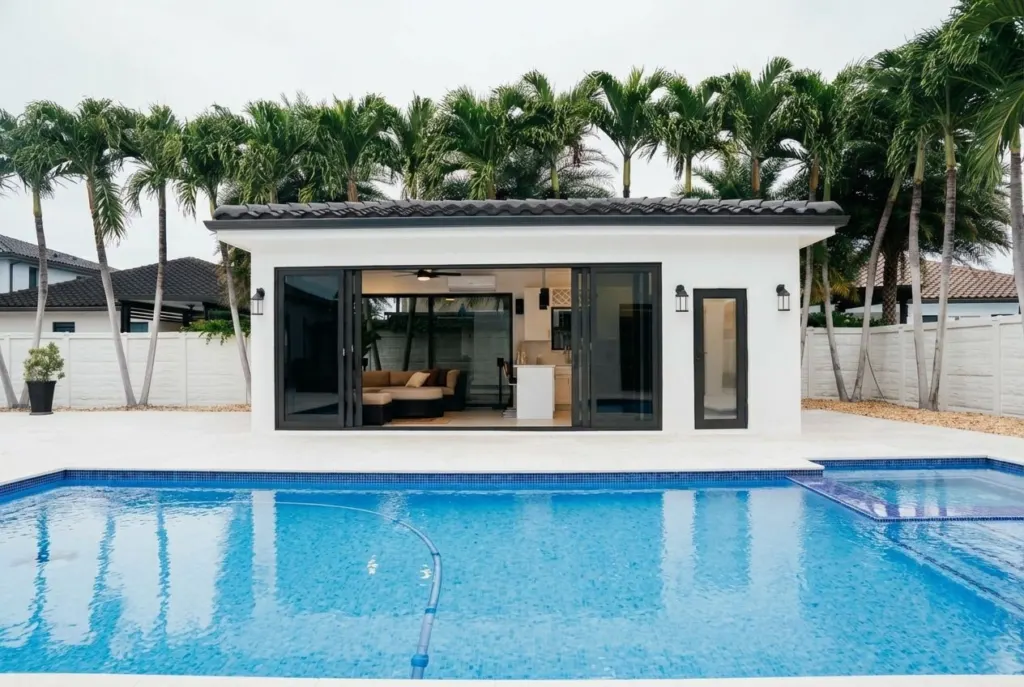
We were very happy with their services. They were very professional throughout the entire process of our home addition. The manager Gil was here weekly checking on the project and the entire crew was amazing. Very professional company.
★★★★★on Google
Miami First Remodeling is a great company! They offer affordable prices, are punctual, and very professional throughout the entire process. Their showroom is excellent, with many options and great inspiration for your project.
★★★★★on Google
They do great work. Most importantly, it's how they treat you post-completion. They come through with the warranty. I have and will continue to recommend this company. Big shout-out to Oshri!!
★★★★★on Google
I have nothing but positive things to say about my experience working with Miami First Remodeling. Honest and fair with both pricing and timeline. They finished the kitchen project in a timely manner. Easy to work with. Always available. They did such a great job. We couldn't be happier with the results.
★★★★★on Google
I just had my kitchen and master bedroom remodeled by Miami First Remodeling and I am more than satisfied with their work and pricing. I originally got quotes from 4 different companies, they were the 5th. They blew me away with the process they have and showroom as well. Will recommend 10/10.
★★★★★on Google
It was a great experience with Miami First Remodeling. They remodeled our kitchen and three bathrooms. We are truly enjoying our upgraded kitchen, the improved layout, finishes and overall design have made these spaces much more comfortable and useful every day.
★★★★★on Google
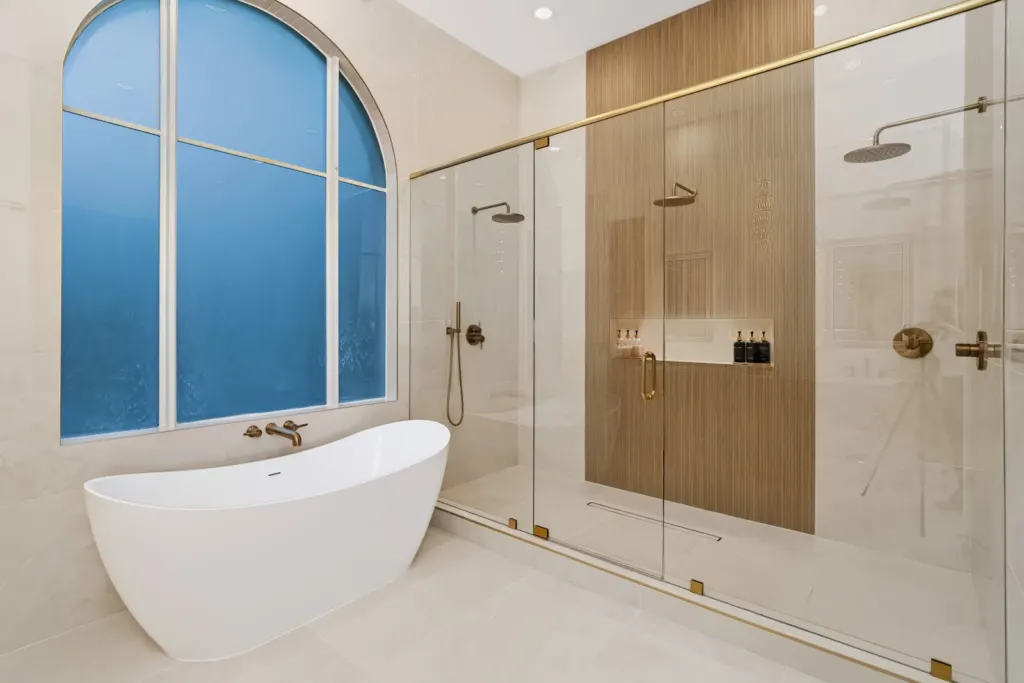
OBSESSED with my new master bath 🙌 We had the original 1990s vanity, gold fixtures, the whole area was a nightmare for our family. Met with their lovely designer Diana to make material selections... I would've gone with something terrible on my own in all likelihood. Makes it easy when you can pick someone's brain and they can lead you in the right direction to ultimately formulate a plan you can visualize. Their install crew were friendly and respectful. They put down protection on my floors every single day. Even my dog was calm while they were over, he's typically fairly stressed in similar situations. The walk-in shower, freestanding tub, double vanity, all were worth every penny!! If anyone's looking into bathroom remodeling in Miami this is who you want!!
★★★★★on Google
We recently hired Miami First Remodeling to renovate our entire kitchen and three bathrooms, and the experience exceeded our expectations. From the initial consultation to the final walkthrough, the team was professional, skilled, and attentive to every detail. The quality of the workmanship is outstanding, and the finished spaces look absolutely beautiful. A special thank you to Joey, our project manager, who truly went above and beyond throughout the entire process. He was always available to answer questions, kept us informed every step of the way, and made sure every concern was addressed promptly. Joey's commitment to making sure we were completely satisfied made the whole renovation experience smooth and stress-free. If you're looking for a reliable remodeling company that stands behind its work and genuinely cares about its customers, I highly recommend Miami First Remodeling. We couldn't be happier with our new kitchen and bathrooms!
★★★★★on Google
Big thank you to Zack and his crew for our condo remodel in Brickell. HOA paperwork, freight elevator schedule, building rules - they handled everything. Six weeks, clean job, fair price. Highly recommend for anyone doing a condo renovation in Miami.
★★★★★on Google
We added a bedroom and full bath onto our house. Permits took forever because of the county but Kiana from their permit team pushed it through faster than I thought possible. Once construction started the crew was here Monday through Friday like clockwork. Gil dropped by every week to check progress with us and Leydis in the office was always quick to answer questions on email. For a home addition contractor in Miami-Dade these guys actually do what they say they'll do. Two of our neighbors already asked who we used.
★★★★★on Google
I'm pretty methodical when it comes to hiring contractors so this review will be detailed. We interviewed five general contractors in Miami for a full house renovation in Coral Gables. Three didn't follow up without any proposals or anything. One came in 40% over what made sense for the project. Miami First Remodeling was the only one that walked the property carefully and submitted a written scope that matched what we actually asked for. We eventually pulled the trigger and are happy with the results. Project ran 14 weeks. Kitchen, three bathrooms, flooring, impact windows, removed a load-bearing wall. Juan was our project manager and his planning-first approach showed - we got a weekly Friday update with what was done, what was next, and any pending change orders. No surprises on the final invoice, which I'd say is rare in this industry. Quality of the trim, grout, paint cut-ins, cabinet alignment - all clean. Would use them again without thinking twice.
★★★★★on Google
We recently completed our kitchen remodel, and we are very happy with how everything turned out. We absolutely love our new kitchen and the way the finished space came together. Our project manager, Zach, was always very responsive whenever I had a question or concern. He was quick to answer my texts and phone calls, even though he wasn't on-site very often. One thing that really stood out to me was when four of our cabinet doors were supposed to have glass inserts but arrived without them. Zach took the doors back and had them rebuilt to accommodate the glass. He really went the extra mile to make sure it was taken care of, and I appreciated that. Like any remodel, there were definitely some challenges along the way, and the project required more patience and follow-up on our part than we originally anticipated. However, the team worked through the issues with us, and we are thrilled with the end result. Overall, we are very pleased with the final result. The process had its challenges, but the end result is a beautiful kitchen that we truly enjoy and are proud of!
★★★★★on Yelp
Miami First Remodeling was so easy to work with. They have a project manager, designer, supervisors, field crew, and a showroom, so everything was organized and simple. Before this, I used handymen for my projects and I will never do that again. Working with a real remodeling company made a huge difference. I love my two new bathrooms and I am very happy with the work.
★★★★★on Yelp
We hired Miami First Remodeling for our kitchen and bathroom renovation. The kitchen looks amazing, especially the cabinets came out beautiful. The team was easy to work with and finished everything nicely. We are very happy with the results!
★★★★★on Yelp
I love my new kitchen! The team turned out my older kitchen, laundry room and half bath into a beautiful, functional space that fits our home so much better. I also value the craftsmanship from the different trades involved. The team showed real leadership and attention to detail. I highly recommend this company!
★★★★★on Yelp
We hired Miami First Remodeling to renovate our kitchen, and they did an excellent job. They used high-quality materials and offered a stunning selection of countertops. I highly recommend them to anyone planning a remodel!
★★★★★on Houzz
Selling our house and my realtor said we'd get 40k more if we refreshed the entry, kitchen, and primary bath. Miami First scoped it fast, we prioritized the highest-ROI items, and they finished in 5 weeks. House sold in 6 days for over asking. Best money we spent on the sale.
★★★★★on Houzz
Converted our detached garage into a mother-in-law suite for my dad. Full kitchenette, bathroom, closet, split HVAC. Juan mapped out the permits, engineering, and inspections upfront so we knew what we were walking into. Nothing surprised us at closeout. My dad has his independence back and we sleep better knowing he's on the property.
★★★★★on Houzz
I'm so happy with how my kitchen turned out! The team at Miami First Remodeling made the whole process easy, and they brought my ideas to life better than I expected. The work was on time and professional, and they really cared about the details. Looking forward to start remodeling my bathroom as well very soon!