The Miami-Dade permit process is more complex than most homeowners realize — and more consequential. An unpermitted kitchen, bathroom, or room addition shows up in title search, becomes a negotiating chip against you in any real estate transaction, and can require demolition if it doesn't meet current code. Getting the permit right from the start, or closing an existing violation before it compounds, is always less expensive than the alternative.
What requires a Miami-Dade building permit
Most renovations that change anything structural, mechanical, or electrical require a permit in Miami-Dade. Specific triggers:
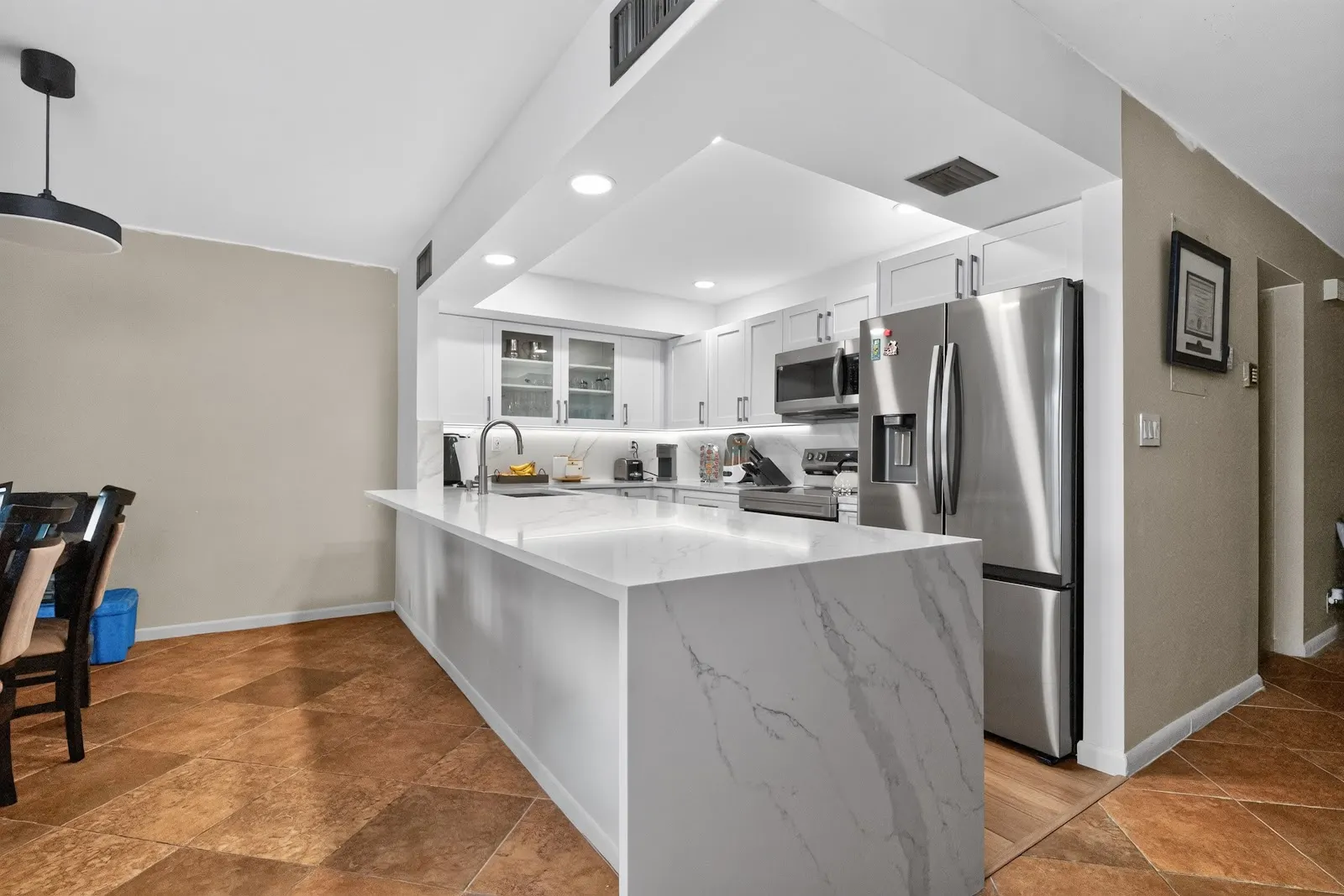
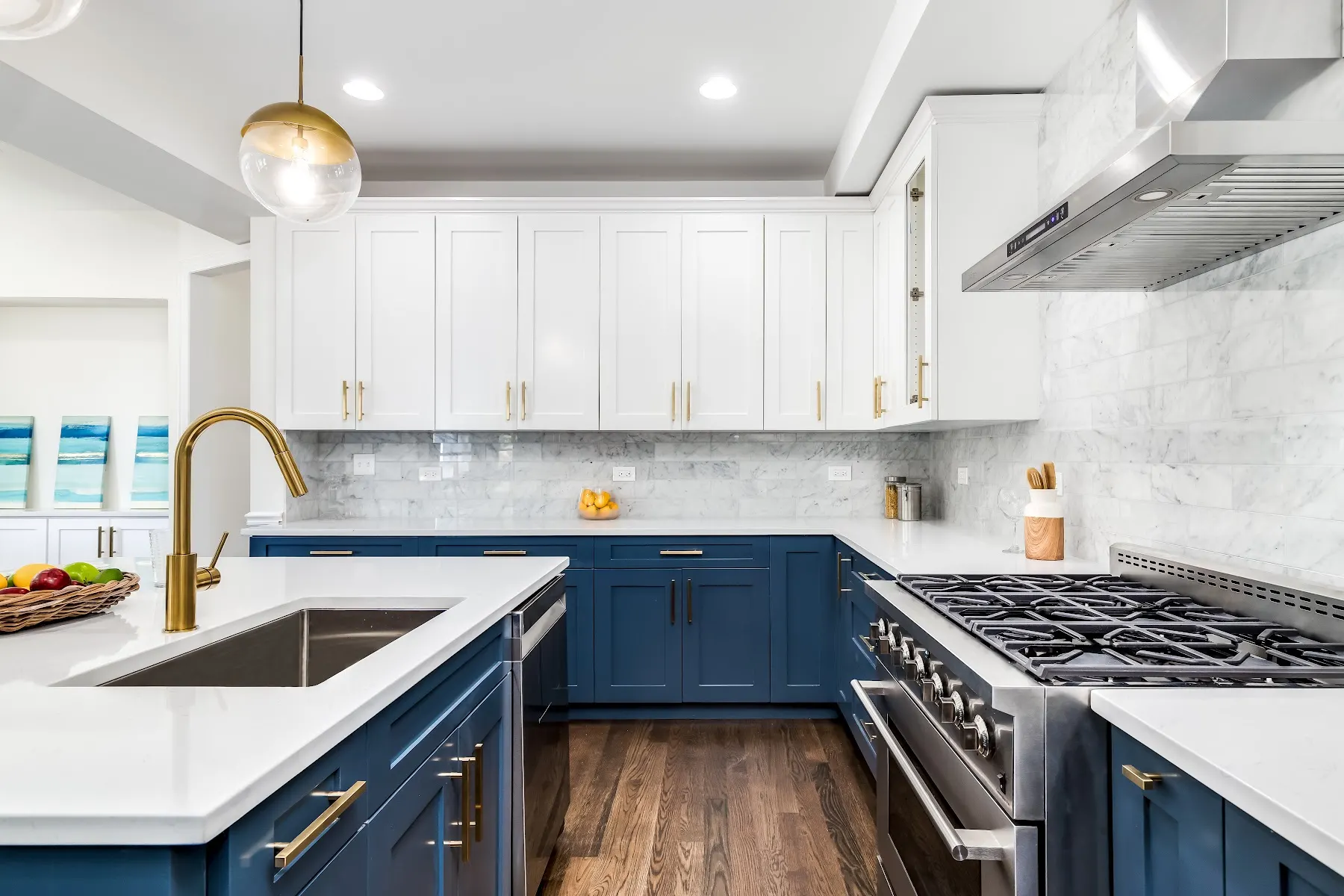
- Kitchen remodeling: plumbing relocation, electrical panel work, structural changes — permit required.
- Bathroom renovation: plumbing relocation, electrical work, structural changes — permit required.
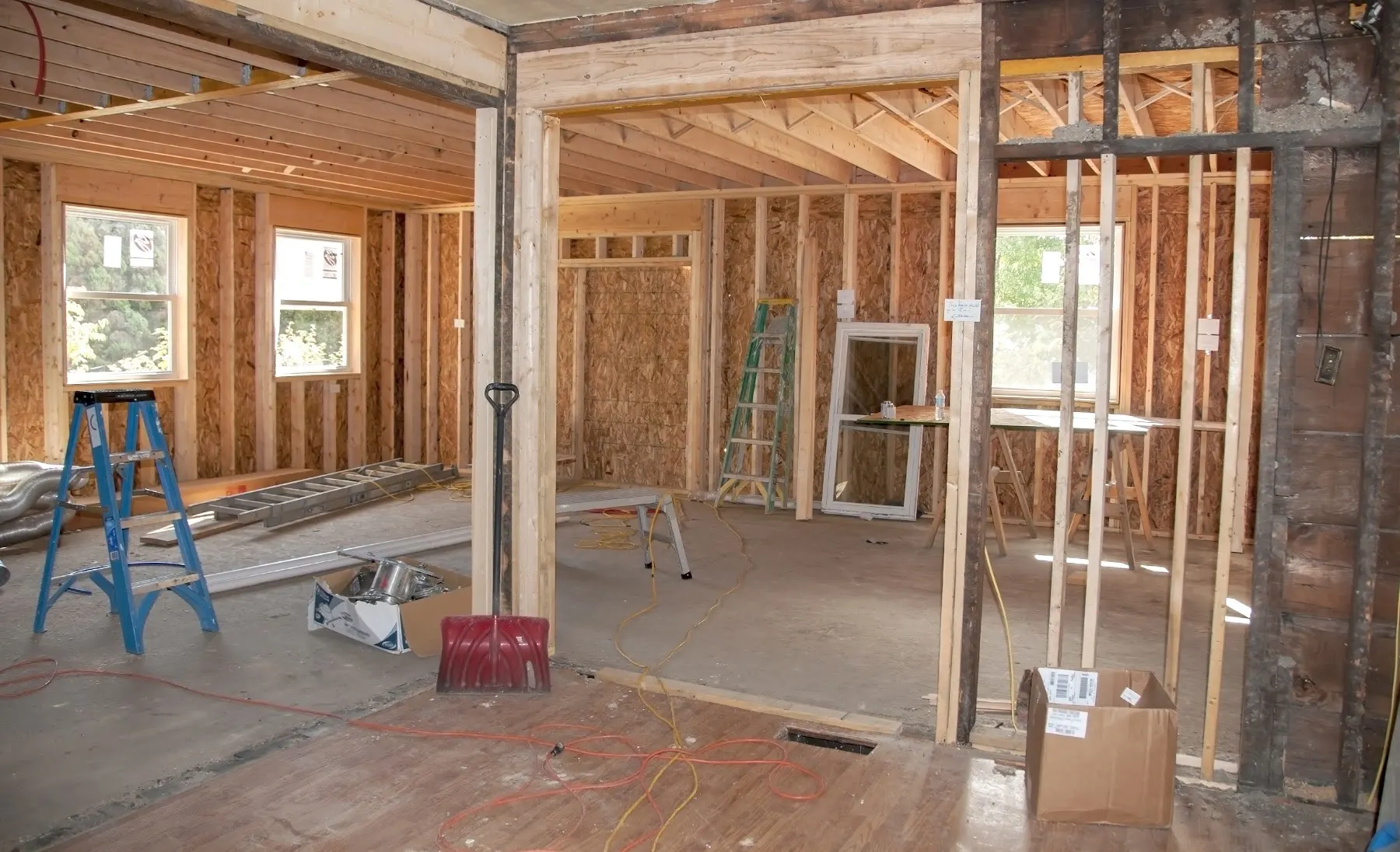
- Room additions: full permit required — architectural drawings, structural engineering, MEP, energy compliance.
- Roof replacement: permit required — NOA required, staged inspections mandatory.
- Impact windows and doors: permit required — NOA required.
- HVAC replacement: permit required — three inspections.
- Fence, driveway expansion, outdoor kitchen with gas: typically required.
Miami-Dade building permit requirements are enforced consistently. We assess requirements at the initial consultation.
Permit expediting across South Florida
We manage the permitting process for residential remodeling and construction projects throughout Miami-Dade, Broward, and Palm Beach counties.
How it works:
- Permit preparation — we assemble the required drawings, specifications, product approvals, and supporting documents.
- Submission — we submit the permit package to the appropriate city or county building department.
- Plan review — we track the application, respond to reviewer comments, and coordinate revisions when needed.
- Permit approval — once approved, we coordinate the next steps required before construction begins.
- Inspections — we schedule and manage required inspections throughout the project.
- Project closeout — we coordinate final inspections and completion documentation.
Our permit coordination services cover kitchen remodels, bathroom renovations, interior remodeling, and larger residential construction projects across South Florida.
Licensed Florida Certified General Contractor — FL CGC1530409.
Code violations — what they cost and how to close them
Open code violations in Miami-Dade accrue fines that compound over time. A violation opened in 2018 and not addressed can carry accumulated fines of tens of thousands of dollars — which become a lien on the property. The lien appears in title search and must be resolved before closing any real estate transaction. Closing a violation requires pulling a permit for the work that was done without one (if it meets current code) or undoing and redoing the work. We assess the violation, advise on the corrective scope, pull the required permit, perform or coordinate the work, and schedule the inspections to close the record.
Design-build Miami — what it means and when it's right
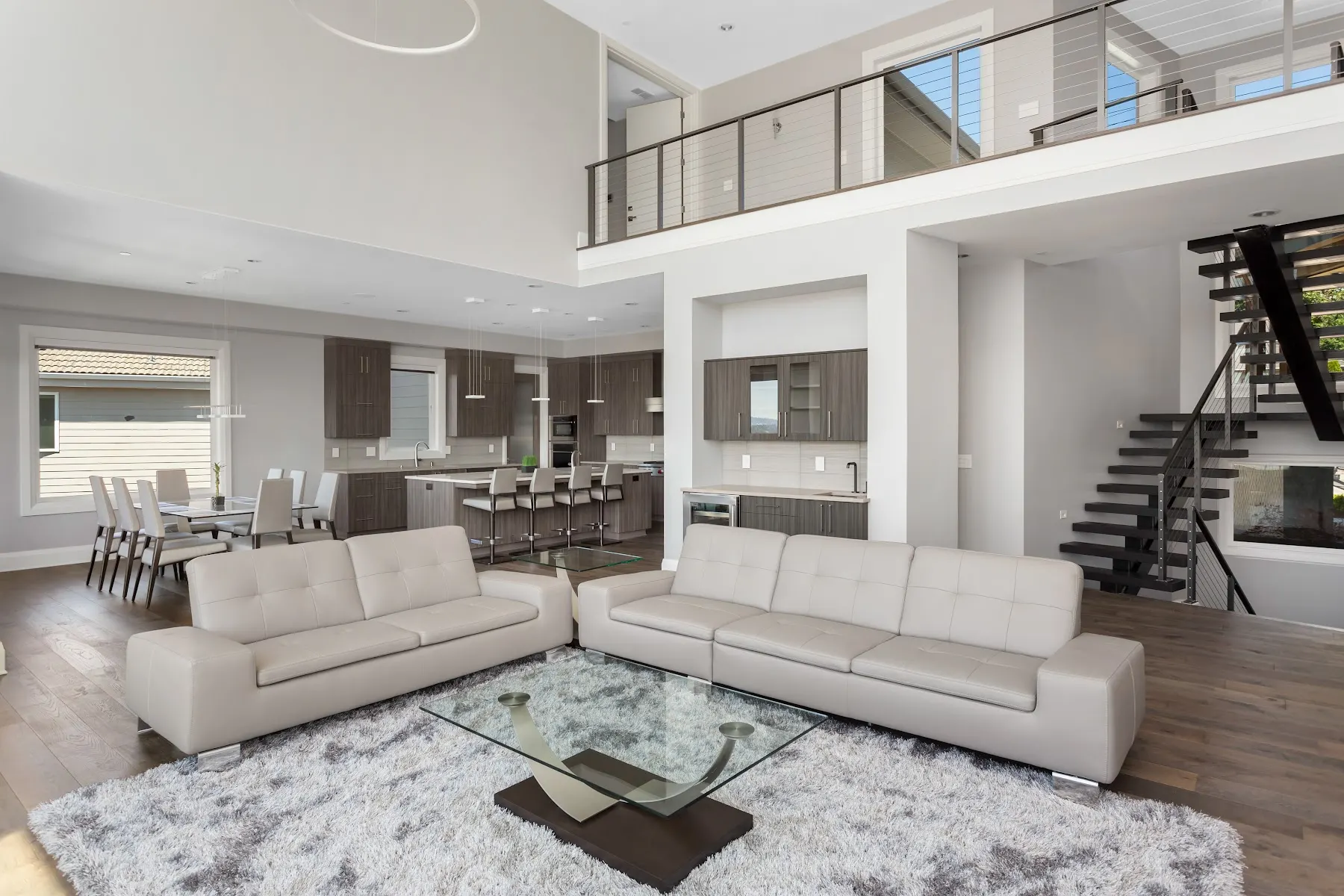
Design-build is a project delivery method where one firm handles both design and construction under a single contract. Design-build in Miami eliminates the handoff gap between architect and builder that causes scope disputes and budget overruns. We coordinate licensed architects for stamped drawings where required and manage construction through Certificate of Completion. One point of accountability from first drawing to final inspection. Design-build construction is typically faster and reduces communication errors compared to the traditional design-bid-build approach where the architect and contractor are separate entities. Design build Miami projects: kitchen renovations, bathroom remodels, room additions, and whole-home renovations.
Design-build vs. design-bid-build — which is right for your project
Traditional design-bid-build: hire an architect under a separate contract, receive completed design plans, then solicit bids from contractors separately. Advantages: independent design review, multiple contractor bids. Disadvantages: coordination gap between designer and builder, longer timeline, scope disputes common. Design-build construction: one contract, one firm responsible for both design and construction outcome. Advantages: single point of accountability, faster timeline, lower total cost for most residential projects. Our recommendation: for projects under $200,000, design-build is almost always the better choice. For projects above that threshold with complex structural requirements, we discuss honestly whether separate architectural services make sense.
40-year recertification in Miami-Dade
Miami-Dade County requires structural and electrical recertification for buildings 40 years old and again every 10 years thereafter. Buildings that fail to complete recertification on schedule accrue monthly fines. We coordinate the entire process: licensed engineers, all inspections, report submittal to Miami-Dade County. If inspections identify deficiencies — which they often do in 40-year-old buildings — we price and perform the corrective work as part of the same scope.